

Es befinden sich keine Produkte im Warenkorb.
Manage your probabilities, relish a genuine gambling adventure
Understanding the Odds in Gambling
Gambling, at its core, is a game of chance where outcomes are governed by probabilities. Understanding these probabilities is fundamental to any gambling adventure. Each game, whether it’s a slot machine, a card game like poker, or a roulette spin, has a defined set of possible outcomes and the likelihood of each occurring. For instance, a coin toss has a 50/50 probability of landing on heads or tails, a simple yet illustrative example of probability in action, and when considering options for funding your play, exploring Bruce bet banking options can be a helpful step.
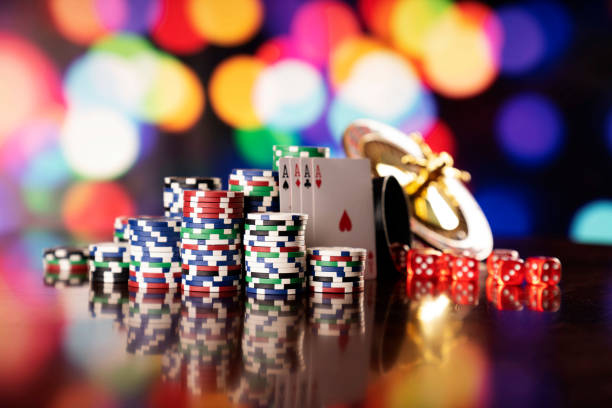
For more complex games, calculating precise odds can be challenging, but grasping the general concept is crucial. Games of chance, like many offered in online gambling environments, often operate with a built-in house edge. This means that over the long term, the mathematical advantage leans towards the establishment providing the game, ensuring its profitability. Being aware of this house edge is a vital step in managing expectations and approaching gambling responsibly.
Strategic Approaches to Gambling
While chance plays a significant role, certain gambling activities allow for strategic approaches that can influence potential outcomes, albeit not to the point of eliminating the element of risk. In games like blackjack, employing a sound strategy based on statistical probabilities can significantly improve a player’s long-term performance compared to making decisions purely at random. This involves understanding when to hit, stand, double down, or split based on the dealer’s upcard and your own hand.
Even in games with a stronger element of luck, like roulette, players can adopt betting strategies such as the Martingale system or the Fibonacci sequence. These systems focus on managing bet sizes in relation to wins and losses, aiming to recoup losses or secure small profits. However, it’s critical to remember that no betting strategy can overcome the inherent house edge in the long run. They primarily offer a structured way to play and can enhance the experience, but they do not guarantee wins.
The Thrill of a Genuine Gambling Experience
A genuine gambling adventure is often characterized by the excitement and anticipation that accompanies the uncertainty of the outcome. It’s the thrill of potentially winning, the adrenaline rush of a close call, and the social interaction if playing in a live setting. The allure of gambling lies in its ability to offer a temporary escape and the possibility of significant rewards, however improbable they may be.
This sense of adventure is amplified by the variety of games available, each offering a unique theme, gameplay mechanic, and potential for excitement. From the flashing lights and captivating sounds of slot machines to the strategic depth of table games, there’s a diverse range of experiences to cater to different preferences. The pursuit of a thrilling and memorable gambling experience is a common motivator for players worldwide.
Responsible Gambling and Probability Management
Effective management of probabilities in gambling also extends to responsible play. This means setting clear limits on both the time and money you are willing to spend. Understanding that losses are a probable outcome and that wins are not guaranteed helps in maintaining a healthy perspective. Players who consistently win are often those who have a solid grasp of the odds and know when to walk away, rather than chasing losses.
Responsible gambling practices are paramount to ensuring that the pursuit of a gambling adventure remains enjoyable and does not lead to negative consequences. This includes recognizing the signs of problem gambling and seeking help if necessary. By approaching gambling with a clear understanding of its probabilistic nature and by adhering to strict self-imposed limits, players can better manage their risks and savor the entertainment value it offers.

Navigating Unlicensed Gambling Services and New Zealand Regulations
It is crucial for individuals interested in gambling to be aware of the legal framework surrounding such activities. In many jurisdictions, including New Zealand, stringent regulations are in place to govern gambling services. The Gambling Act 2003 in New Zealand, for example, strictly prohibits the provision of unlicensed gambling services to residents. This means that access to many online gambling platforms is restricted to ensure compliance with local laws and to protect consumers.
For those located in New Zealand, attempting to access gambling services that are not licensed by the relevant New Zealand authorities is not permitted. The purpose of these regulations is to ensure fair play, prevent underage gambling, and combat money laundering. It is therefore essential for New Zealand residents to consult official sources, such as the New Zealand Department of Internal Affairs, for definitive information on legal and regulated gambling options available within the country, rather than seeking to circumvent these important consumer protection measures.